

The first Kansas basketball coach just happened to be the same man who invented the game in Springfield, MA, in 1891. Dr. James Naismith's original rules of the game are on display in the DeBruce Center, attached to the iconic Allen Fieldhouse. It's no coincidence that the floor on which the Jayhawks play their home games is The James Naismith Court.
In an ironic twist of fate, Naismith is the only one of KU's eight basketball coaches with a losing record, going 55-60 in nine seasons. He did, however, coach Forrest “Phog” Allen, who became the inventor of basketball coaching.
Naismith's contributions to the game of basketball are undeniable. So much so that the sport's Hall of Fame is named after him.
Inventing the basketball may not have been his only contribution to popular American sports, though.
Did Dr. James Naismith also invent the football helmet?
The evidence of this feat is harder to come by and isn't as well-documented as his still-preserved original rules of basketball.
According to an outstanding article on Football Archeology, a man named George Barclay is pictured wearing a head harness similar to one wrestlers wear in 1894 while playing at Lafayette.
In 1893, there is evidence that a player for Navy, named Joseph Reeves, wore a helmet made of moleskin with ear flaps. That same year, Ralph W. Drury is pictured with a head harness similar to Barclay's, but a year sooner.
Still earlier, in 1891, the same year he penned the rules for basketball, Naismith is pictured playing football wearing earpads, held in place by flannel wrapped around his head. That photograph is within the Football Archeology article. The article is an interesting read for those who love sports history.
What is not known is if Naismith was wearing the wrapping to protect his head or if he was merely trying to keep his ears warm and used flannel to wrap pads into place.
Some, like Timeless Patents, credit Reeves' moleskin helmet as the first true head protection. It is easy to make that argument because it is similar in design to those helmets that followed over the next few decades.
Naismith's version of the helmet, regardless of his intent, also serves the same purpose. It covers and protects the ears from hands grabbing them as well as from the cold, and it offers a degree of protection for the head. In the photograph from the Football Archeology article, what Naismith was wearing certainly looks like an earlier homemade version of what Reeves wore two years later.
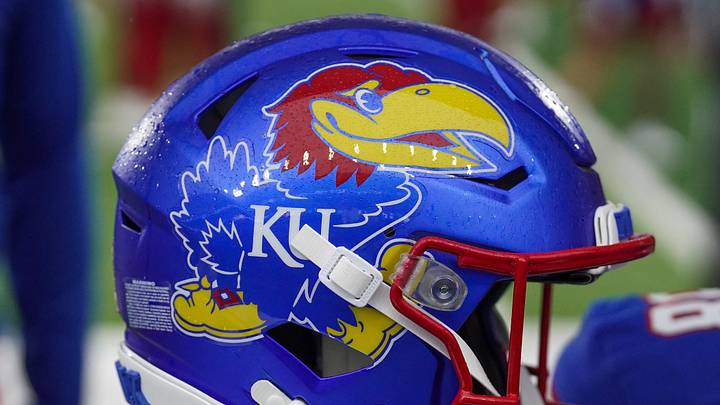
Regardless of who deserves credit for inventing head protection (Naismith), the helmet is now, more than 130 years later, an essential part of a football player's equipment. Its main purpose is obviously to protect the skull from the inherent violence of the game, but it is also a way to promote every team's brand. The helmet logo, or the stark lack thereof, is an immediate visual cue to the identity of the team.
Reeves, Drury, and Barclay were all trying to do the same thing: protect their heads. Naismith was trying to do that too, only he did it at least two years earlier. It indicates that Kansas basketball icon was a true innovator, and not just when it comes to basketball.
 Add us as a preferred source on Google